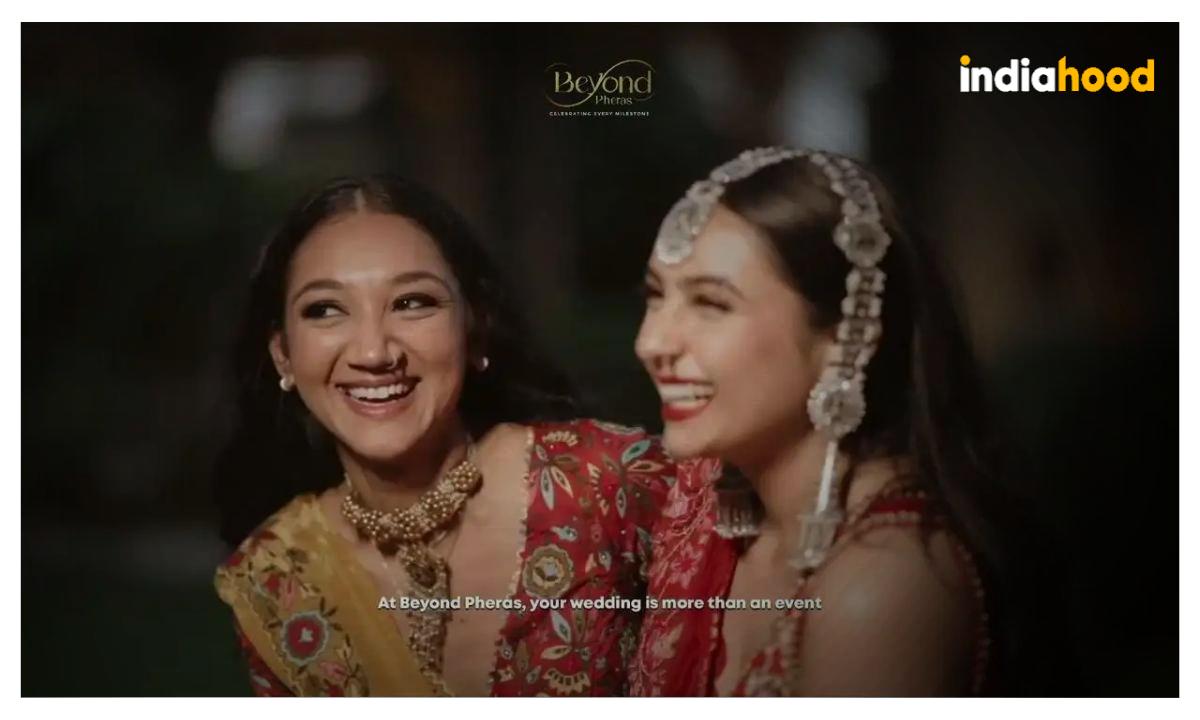
India’s wedding market is expanding rapidly, with destination celebrations drawing couples to royal palaces, beachfront resorts, and heritage venues across the country. As expectations rise for personalised, high-end experiences and flawless logistics, luxury wedding planners are increasingly central to delivering multi-day events that balance tradition with contemporary style.
Why destination weddings are gaining traction
Industry estimates place the Indian wedding economy at over $50 billion, with destination weddings accounting for roughly a quarter of the market. Growth has accelerated in recent years as couples prioritise curated experiences, smaller guest lists, and immersive festivities. The post-pandemic shift towards intimate, multi-event itineraries—often featuring themed functions and bespoke elements—has further boosted demand. India’s appeal extends to overseas couples as well, thanks to its heritage architecture, scenic coastlines, and diverse cultural backdrops.
What a luxury planner brings to the table
Destination weddings require complex coordination across venues, vendors, travel, hospitality, and rituals. Specialist planners streamline this process through:
- Venue strategy: Matching a couple’s vision with suitable properties—ranging from palace hotels to boutique retreats—leveraging on-ground insights and availability intelligence.
- Curated vendor networks: Access to decorators, caterers, photographers, entertainers, and stylists experienced in high-end events.
- Cultural fluency: Integrating regional customs and religious ceremonies with modern design and guest expectations.
- Operational control: Managing timelines, guest movement, permissions, and contingency planning for seamless execution.
- Budget governance: Allocating spend effectively across experiences, ensuring value without compromising on quality.
Top destinations preferred by couples
- Udaipur, Rajasthan: Iconic lakefront palaces such as The Oberoi Udaivilas and Taj Lake Palace offer regal settings and elaborate processional spaces.
- Goa: Coastal resorts and private beaches enable sunset ceremonies and relaxed, contemporary receptions.
- Jaipur, Rajasthan: Grand forts and heritage hotels like Rambagh Palace and Samode Palace suit large-format royal themes.
- Kerala: Backwaters, tea estates, and lush landscapes lend themselves to intimate, nature-led celebrations.
- Andaman and Nicobar Islands: Pristine beaches and privacy appeal to couples seeking exclusivity.
How premium planners differentiate
Established luxury planners emphasise:
- Bespoke storytelling: Designing events that reflect each couple’s narrative across decor, entertainment, and culinary journeys.
- Detail-first design: Precision in florals, lighting, guest amenities, and menu engineering.
- End-to-end logistics: Cohesive management of guest itineraries, transfers, permissions, and on-site operations.
- Ritual integration: Respecting religious and regional customs while maintaining contemporary aesthetics.
- Sustainable practices: Responsible sourcing, waste management, and eco-conscious decor choices.
Trends shaping luxury Indian weddings
- Strong thematic curation: From heritage-inspired mehndi settings to cinematic sangeets, themes guide design and programming.
- Smaller, experience-rich guest lists: Focus on hospitality, personalisation, and high-quality production.
- Destination pre-wedding shoots: Editorial-style photography at heritage and natural sites.
- Interactive guest touchpoints: Live culinary stations, custom favours, and curated cultural showcases.
- Technology-led enhancements: Digital invites, live streaming for global guests, and drone or 360° videography.
Outlook for the segment
With its blend of heritage venues, hospitality infrastructure, and cultural depth, India is expected to remain a preferred hub for destination weddings. As couples seek distinct experiences and operational certainty, the role of luxury planners will continue to expand—driven by innovation in design, sustainability, and guest experience.