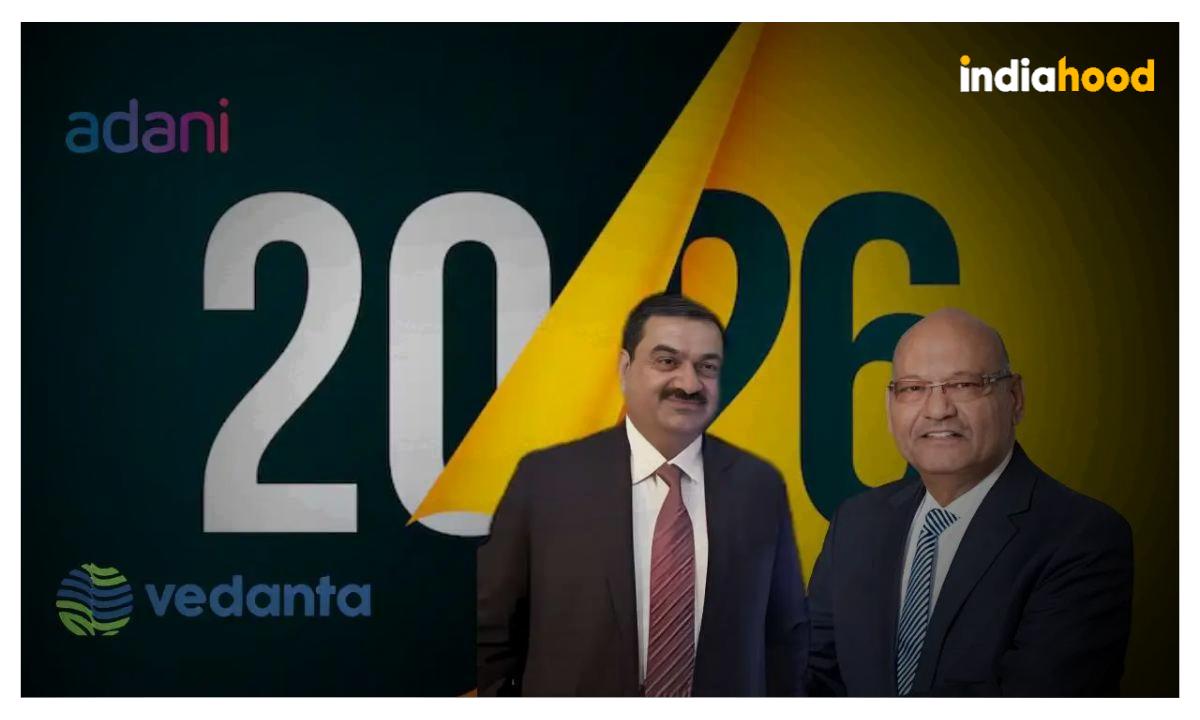
India’s equity markets enter a results-heavy week with Adani Enterprises, Maruti Suzuki, Hindustan Unilever, and Vedanta set to report fourth-quarter FY26 earnings, amid elevated input costs and geopolitical uncertainty. Investors will watch commentary on margins, pricing, and capex as global risk sentiment and commodity prices weigh on valuations.
Adani Enterprises board to consider results, dividend and fundraising
Adani Enterprises has scheduled a board meeting on 30 April to approve Q4 FY26 results and consider a dividend. The company may also evaluate fundraising options, including equity issuance or qualified institutional placements, as it continues to strengthen its balance sheet.
Earlier this year, the conglomerate prepaid ₹1,950 crore of debt, underscoring its ongoing deleveraging efforts. Any guidance on capital allocation, cash flow visibility, and project timelines will be key for investors tracking growth in airports, green energy, and infrastructure verticals.
Vedanta’s demerger plan and Hindustan Zinc performance in focus
Vedanta is advancing a major restructuring to split into five standalone listed entities, with shareholders slated to receive proportionate shares in each business. The proposal aims to unlock value by creating focused verticals across metals, power, and resources.
Subsidiary Hindustan Zinc has posted record profitability and announced substantial dividends in recent quarters, supported by firm zinc prices and operational efficiencies. Vedanta’s planned capacity expansions and project pipelines will be scrutinised for timelines, funding, and return profiles.
Maruti’s strong output; HUL navigates input cost pressures
Maruti Suzuki reported record production of 23.4 lakh units in FY26, driven by sustained demand for key models and healthy exports. While volume momentum remains supportive, elevated commodity costs—particularly steel and precious metals used in catalytic systems—could pressure near-term margins. Management commentary on pricing, product mix, and localisation will be crucial.
Hindustan Unilever is contending with higher input costs, notably palm oil, prompting calibrated price increases in soaps and personal care. With consumers downtrading to smaller packs in select categories, the company is balancing pricing, grammage, and promotional intensity to protect volumes and market share.
Global headwinds: oil, commodities and foreign flows
Geopolitical tensions involving the US, Israel, and Iran have buoyed crude oil prices, raising inflation risks for energy-importing economies such as India. Higher fuel costs typically ripple through logistics and manufacturing, affecting FMCG, autos, and industrials.
Foreign portfolio investors have turned net sellers, adding pressure on equities and the rupee. Concurrently, rising prices of industrial metals like steel and copper are inflating input bills for capital goods, construction, and auto components. Market participants will track the upcoming US Federal Reserve policy decision for cues on rates, liquidity, and global risk appetite as India’s earnings season provides a reality check on corporate resilience.