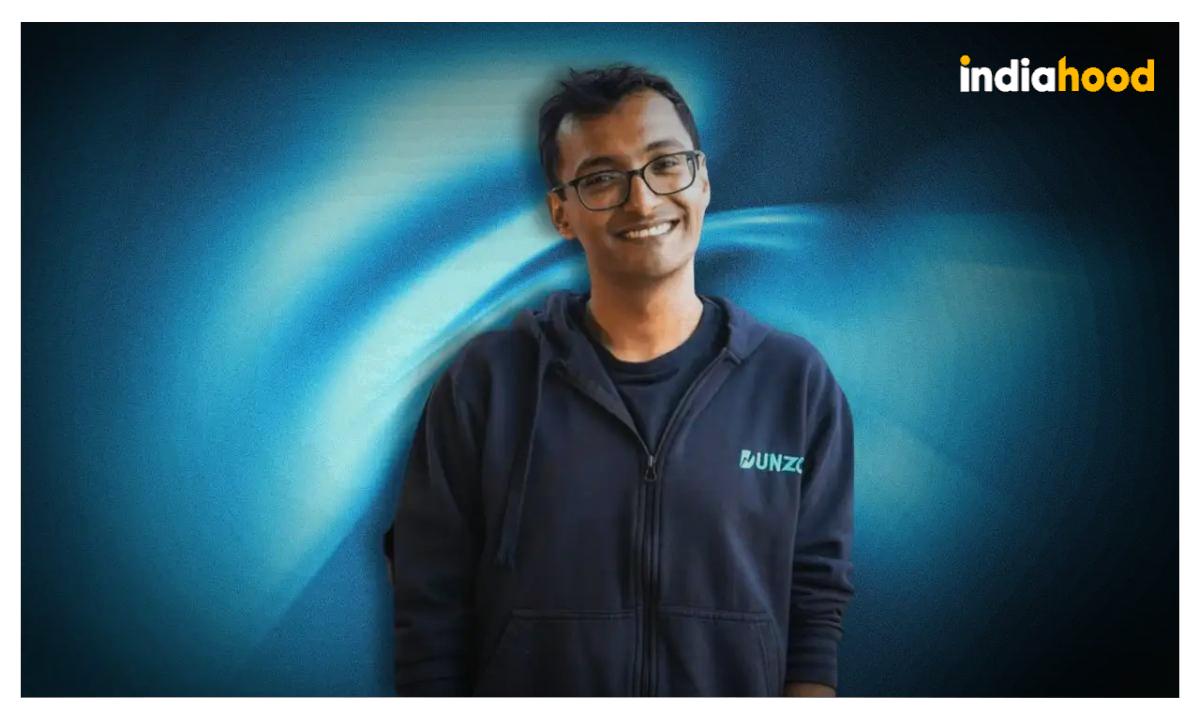
Entrepreneur Kabeer Biswas is set to launch a new consumer AI venture, marking his return to the startup ecosystem after Dunzo’s closure. The startup, called M, is raising about ₹102 crore in a round led by Peak XV Partners, with participation from Blume Ventures and fintech firm CRED, according to people familiar with the development.
While product details remain under wraps, M is expected to build AI-driven solutions for everyday users, positioning itself within India’s fast-expanding consumer technology market. The timing aligns with rising investor interest in practical AI applications spanning productivity, commerce, and hyperlocal services.
What went wrong at Dunzo
Biswas co-founded Dunzo, which gained traction in metropolitan markets like Bengaluru with hyperlocal delivery and task fulfillment. Backed by significant venture funding, the company scaled rapidly on the promise of convenience and speed.
Challenges intensified after Dunzo pivoted to quick commerce, a capital-intensive model that demanded high burn rates and complex operations. The company reportedly spent over ₹100 crore a month and posted losses of around ₹1,800 crore in FY23. Despite a $200 million infusion from Reliance Industries in 2022, cash flow constraints, salary delays, and operational disruptions persisted. Reliance ultimately wrote off approximately ₹1,645 crore, and Dunzo shut operations in early 2025.
New partners, new direction
Following Dunzo’s shutdown, Biswas briefly led Flipkart’s quick-commerce initiative, Flipkart Minutes, before exiting in October 2025. He has now teamed up with former Dunzo colleague Kartik Mishra to build M, drawing on their execution experience in consumer products and logistics-heavy services.
With early backing from Peak XV Partners, Blume Ventures, and CRED, the founders aim to leverage India’s growing AI infrastructure and developer ecosystem. The venture signals a strategic shift from high-burn logistics to software-led consumer experiences, reflecting a broader recalibration among Indian startups towards sustainable unit economics and scalable technology platforms.