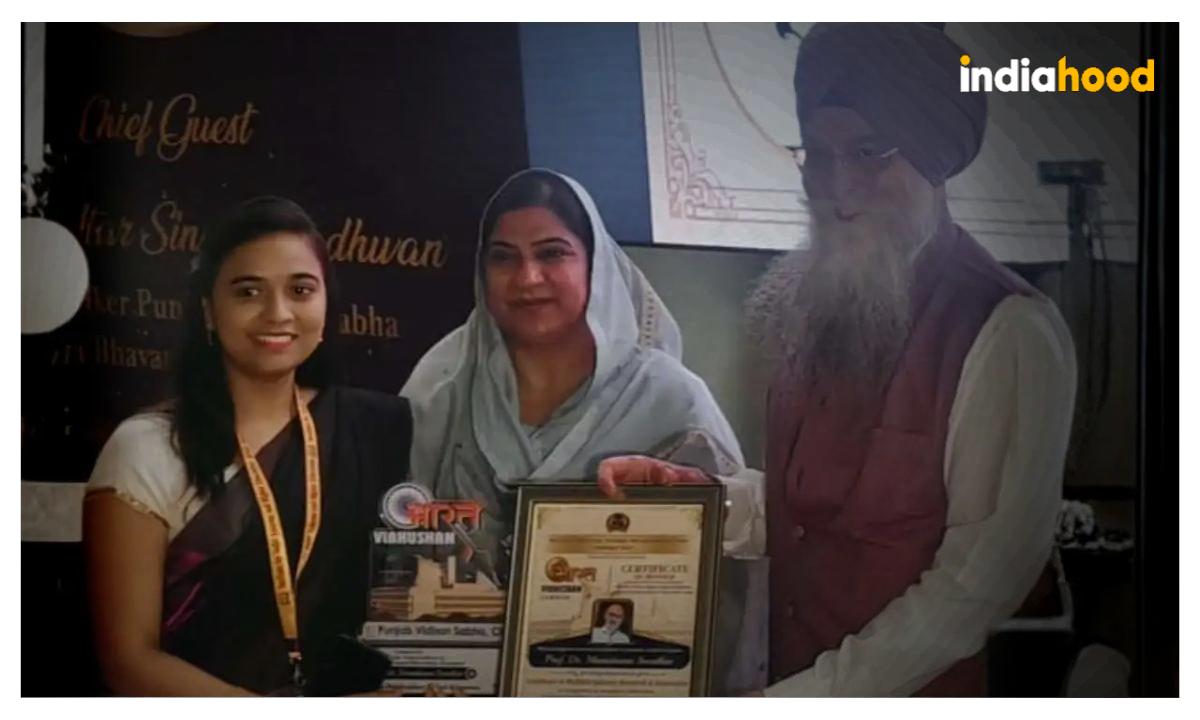
Two Indian medical researchers, Prof. Dr. Mamidanna Sreedhar and Dr. Mamidanna Varun, have received the Best Research Scientists Award from the Speaker of the Punjab Legislative Assembly, recognising their contributions to clinical research, medical education, and healthcare innovation. The honour underscores the growing focus on evidence-based practice and translational research in India’s healthcare ecosystem.
Recognition for sustained impact in medical science
Prof. Dr. Sreedhar, a senior academic and researcher, has spent decades advancing medical education and clinical research. Colleagues credit him with mentoring early-career clinicians, leading peer-reviewed publications, and promoting evidence-based protocols aimed at improving patient outcomes across teaching hospitals and training programmes.
Dr. Varun has built a profile in multidisciplinary research, with work spanning advanced clinical studies and healthcare technology. He is known for methodological rigour and contributions to national and international scientific literature, focusing on research designs that can be translated into practice to address contemporary health challenges.
Award ceremony highlights role of research in healthcare
At the ceremony, the Speaker emphasised the role of high-quality research in strengthening health systems, improving clinical decision-making, and shaping policy. Both awardees were lauded for expanding the research ecosystem through collaboration, publication, and capacity-building, as well as for aligning research goals with patient-centric outcomes.
Context: India’s growing research footprint
- Indian medical institutions are increasingly prioritising research output, with greater emphasis on clinical trials, public health data, and interdisciplinary collaboration.
- Recognition by legislative leadership reflects policy interest in fostering innovation, strengthening research infrastructure, and encouraging knowledge transfer to frontline care.
The recognition brings distinction to their institution and state, while signalling the importance of mentorship and research integrity in grooming the next generation of clinician-scientists. Both researchers are expected to continue work that advances clinical standards, supports evidence-led teaching, and contributes to the global body of medical knowledge.